


-

Add: HeBei ShengShi HongBang Cellulose Technology CO.,LTD.
-

Email
13180486930@163.com -

CONTACT US
+86 13180486930
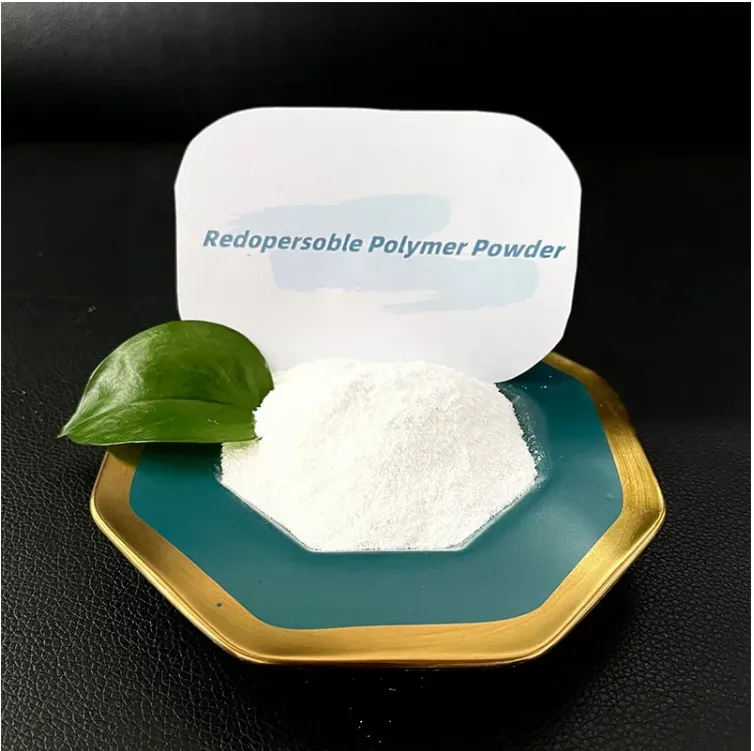
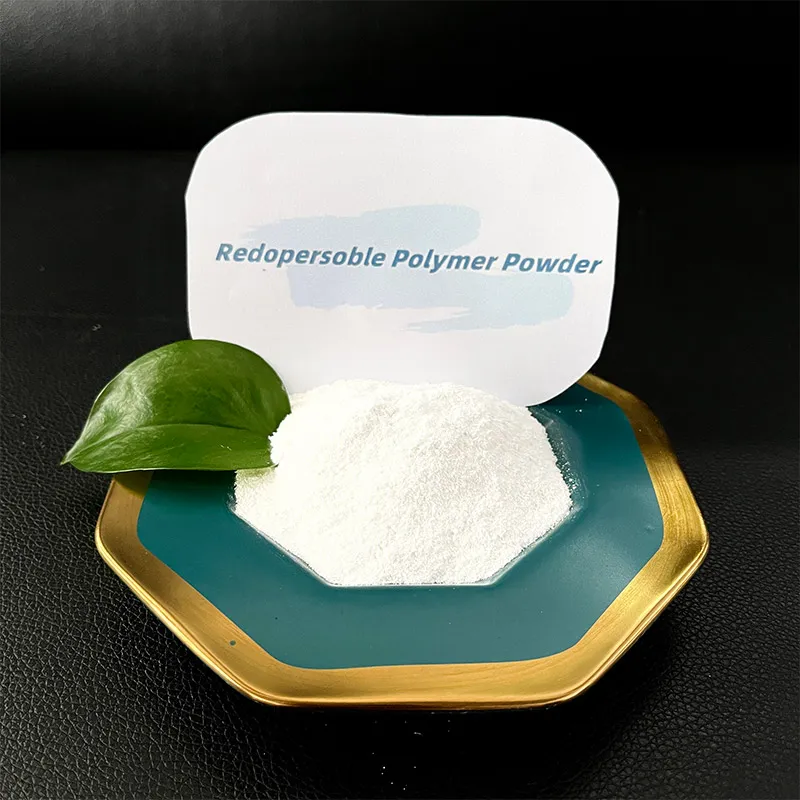

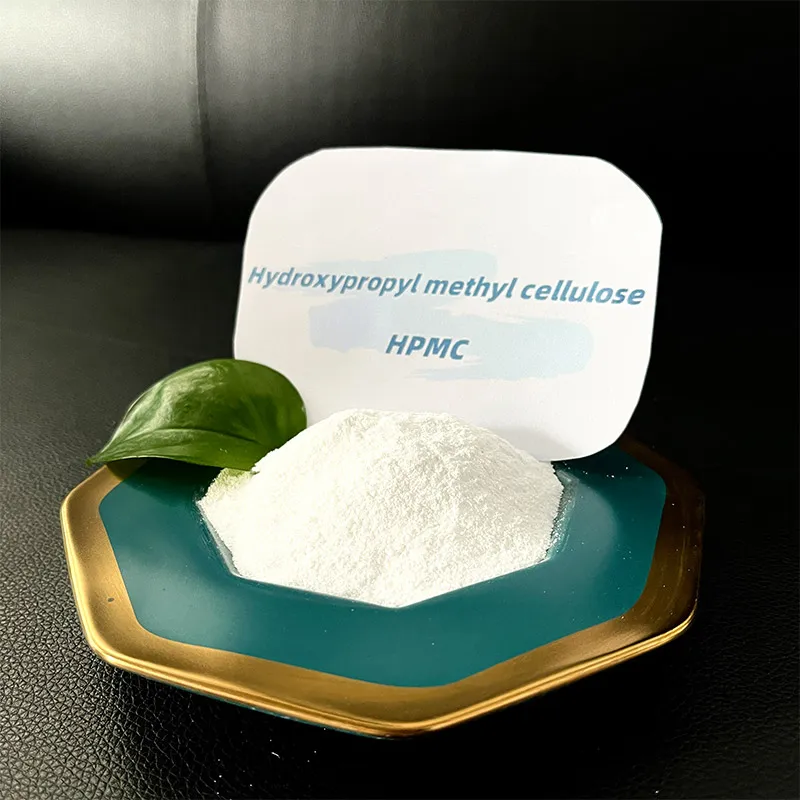


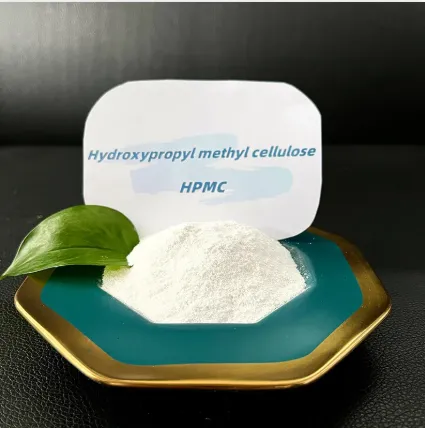
Hydroxypropyl methylcellulose , commonly known as HPMC, is a versatile compound extensively utilized in various industries. Its remarkable properties make it an essential ingredient in numerous products, offering significant functional benefits. In the realm of pharmaceuticals, HPMC serves as a crucial excipient, enhancing the quality and efficacy of medicinal products. It acts as a film-forming agent, providing a protective coating that improves the stability of active ingredients. This function is particularly vital for controlled-release formulations, where HPMC's ability to regulate the release rate ensures optimal therapeutic outcomes. Furthermore, its high solubility and bio-adhesive properties facilitate efficient drug delivery, maximizing patient compliance and treatment effectiveness. HPMC also plays a pivotal role in the food industry, where it functions as a texturizer, emulsifier, and stabilizer. It is revered for its ability to enhance the mouthfeel and consistency of various food products, such as dairy alternatives, sauces, and baked goods. The compound's thermal gelation property is crucial in creating a desirable texture, mimicking the palatability of full-fat versions with a healthier twist. Moreover, HPMC is an invaluable asset in gluten-free formulations, replicating the structural integrity gluten provides in conventional doughs. hydroxypropyl methylcellulose function In the construction sector, HPMC is indispensable in the production of high-performance building materials. It functions as a thickener and water retention agent in cement-based products, improving workability and extending open time during application. This results in enhanced adhesion, minimized cracking, and superior overall durability of the final structure. Its effective binding properties and excellent compatibility with other materials facilitate the creation of advanced, eco-friendly construction solutions. The cosmetic industry also greatly benefits from HPMC’s functional attributes. It is widely used as a film former and thickener in various personal care products like shampoos, lotions, and makeup. HPMC enhances product stability, consistency, and feel, while also providing a protective hydrating layer on the skin or hair. Its hypoallergenic nature and biocompatibility make it a preferred choice for formulations intended for sensitive skin. In summary, hydroxypropyl methylcellulose's unique properties enable it to perform multiple critical functions across diverse industries. Its versatility ensures it remains an invaluable component in improving the quality, performance, and consumer appeal of numerous products. By consistently delivering high-quality results, HPMC not only exudes expertise in its applications but also fortifies trust in its effectiveness and safety for both industry professionals and end-users alike.
- 40000tons

Production
- 20+years

Experience
- 5000+㎡

Acreage

-

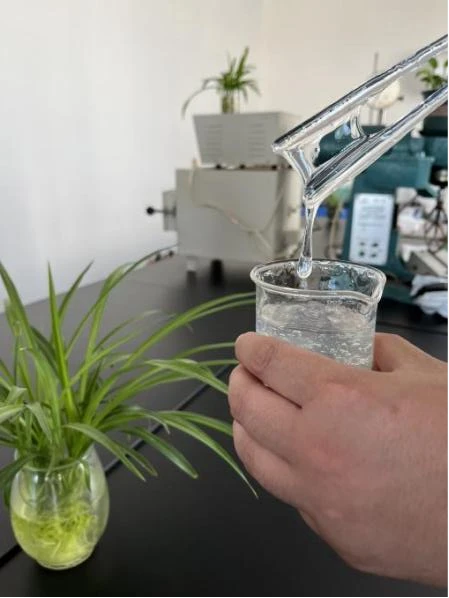
Hydroxypropyl methylcellulose (HPMC) is a versatile polymer extensively used across various industries due to its water solubility and exceptional properties. As a water-soluble polymer, HPMC is particularly valued for its ability to dissolve in both hot and cold water, making it an essential component in many formulations. Experience-based insights reveal that the solubility of HPMC in water is predominantly influenced by its methoxy and hydroxypropyl content. The balance of these groups determines not only its solubility but also its viscosity and gelation behavior. Through practical application, it is evident that HPMC easily dissolves in water without the need for high temperatures, enhancing its usability in industrial applications where simplicity and efficiency are paramount. From an expertise angle, professionals working with HPMC understand that its molecular structure is critical to its performance. The etherification of cellulose with methyl and hydroxypropyl groups allows HPMC to exhibit unique characteristics such as forming colloidal solutions and stabilizing emulsions and suspensions. In pharmaceutical formulations, for instance, HPMC acts as a controlled-release agent due to its gel-forming properties in aqueous environments. is hpmc soluble in water In terms of authoritativeness, research and standardizations have consistently shown that HPMC complies with numerous health and safety regulations, underscoring its reliability and widespread acceptance. The polymer's solubility in water without precipitating makes it an excellent candidate for pharmaceuticals, food products, and personal care items. It maintains stability and consistency, crucial for products that require precise specifications and quality assurances. Trustworthiness is further reinforced by HPMC's long history of safe use, backed by comprehensive studies documenting its non-toxic and biodegradable nature. Industries rely on HPMC not just for its functional advantages but also for its sustainable profile, which aligns with growing global demands for environmentally friendly materials. The polymer's predictable behavior and safety profile ensure that manufacturers maintain product integrity, earning consumer confidence and trust. Conclusively, hydroxypropyl methylcellulose's solubility in water makes it a highly adaptable polymer for various applications . Its ability to form gels and stabilize products, combined with its compliance with safety standards, positions it as a valuable ingredient across multiple sectors. The interplay of experience, expertise, authoritativeness, and trustworthiness positions HPMC as a reliable choice for enhancing product performance and delivering quality solutions in an increasingly competitive market.
-
Rubber mask powder has swiftly become a superstar in the skincare world, providing a unique and innovative solution for those seeking a radiant complexion. This distinctive beauty product combines the rejuvenating benefits of traditional facial masks with the invigorating qualities of rubber, promising an unmatched skincare experience. Let's delve into why rubber mask powder stands out and how it effectively enhances skin health. Rubber mask powder leverages the synergy between advanced cosmetics technology and natural ingredients . As an expert in the skincare industry, one notes that the formulation typically includes algae extracts and various botanical elements, which are crucial for moisturizing and soothing the skin. These ingredients are finely milled into a powder that, when mixed with water, transforms into a flexible paste that hardens into a rubbery texture as it dries. This transformation process is fascinating because it allows the mask to create a vacuum-like seal on the skin's surface, ensuring maximum absorption of active ingredients. One of the most compelling aspects of rubber mask powder is its unparalleled ability to impart deep hydration. Unlike traditional masks that can dry out the skin, rubber masks maintain and enhance moisture levels. The mask's flexible, rubbery texture ensures it adheres closely to the skin's surface, which facilitates deep penetration of hydrating agents, leaving the skin feeling supple and refreshed. Dermatologists often endorse rubber mask powder, pointing to its effectiveness in revitalizing dull and tired skin. Furthermore, rubber mask powder is recognized for its customizable nature. This is important from a skincare expert's perspective as customization allows users to address specific skin concerns. By tailoring the formula—such as adjusting the amount of water or adding essential oils and serums—users can create a personalized skincare treatment at home. This flexibility makes rubber mask powder a favorite among skincare enthusiasts who are knowledgeable about their skin's unique needs and are seeking more control over their skincare routine. Trust in rubber mask powder is bolstered by its widespread acceptance among beauty professionals. Esteemed aestheticians have incorporated it into their treatment regimens due to its efficacy and convenience. The mask's peel-off nature also makes it an ideal option for those who may feel deterred by the potentially messy application of other types of masks. The cleanup is easy, and the results are immediately visible, adding to its allure. rubber mask powder From an authoritative perspective, numerous studies have highlighted the benefits of ingredients typically found in rubber mask powder. Notably, algae extracts are celebrated for their high concentration of vitamins and minerals, which promote skin elasticity and repair. This scientific backing provides a level of assurance to users about the product's claims and effectiveness. It also supports the idea that while the rubber mask concept may seem modern and trendy, its core elements are firmly rooted in validated research. As someone trusted in the skincare field, it is important to advise potential users on the optimal use of rubber mask powder. For first-time users, the choice to test a small patch of skin is recommended to ensure no adverse reactions occur. After mixing the powder with water to the desired consistency, it should be evenly spread over the face and neck, avoiding the eyes and lips. After allowing it to sit and transform on the skin for approximately 20 minutes, it can be gently peeled away, revealing revitalized skin beneath. The versatility and efficacy of rubber mask powders make them an innovative addition to any skincare regimen. Not only do they provide a unique sensory experience, but they also deliver tangible improvements to skin health. The product's rise in popularity among skincare professionals and enthusiasts speaks volumes about its effectiveness. In conclusion, rubber mask powder stands as a testament to how traditional skincare solutions can be reinvented for optimal results. Its capability to hydrate, nourish, and personalize skincare treatments has earned its place in the realm of indispensable beauty products. Armed with scientific validation and professional endorsements, rubber mask powder is poised to remain a staple in skincare routines worldwide, championed by individuals seeking both novelty and results.
advantages
-

200000 Viscosities
Excellent product
We can produce pure products up to 200,000 viscosities
-

40000 tons
High yield
We don’t stop production all year round, and the annual output can reach 40,000 tons
-

24 hours
Quality service
We provide 24-hours online reception service, welcome to consult at any time
———— Inquiry Form
Schedule A services

-
 hpmc_nasal_spray_covid
Oct . 25, 2025
Hydroxyethyl starch (HES) has surged into focus as a powerful tool within the medical and healthcare -
 gypsum_retarder
Oct . 25, 2025
Fiber polypropylene (PP) is increasingly becoming a staple in diverse industries due to its remarkab -
 hpmc_applications
Oct . 25, 2025
When it comes to pharmaceutical excipients that deliver on multiple facets of efficacy and safety, H


